Skip to content
Ask the factory: ASTM mesh / UV method ISO 9001 plant file (if required) Grade / lot documents, not a site badge
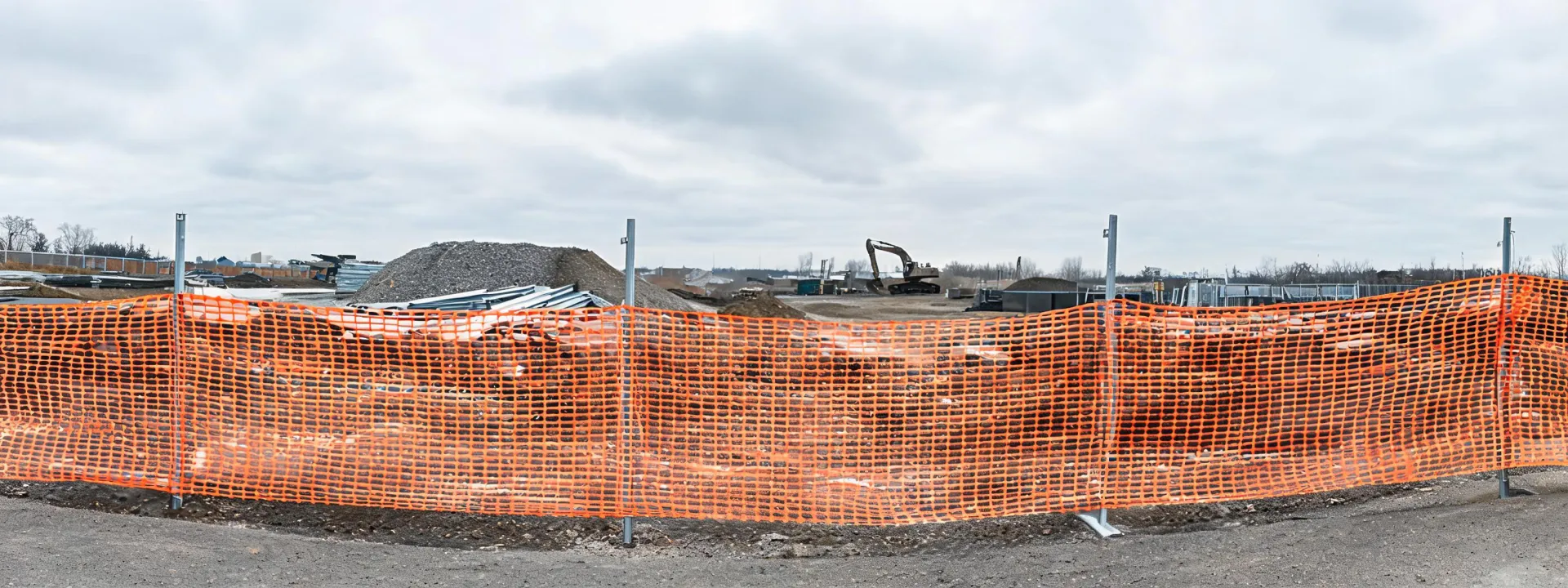
Plastic mesh fencing used as a temporary site barrier

plastic mesh fencing

Translate a plastic mesh fencing project into purchase requirements: opening size, density in g/cm³ if used to distinguish resin, UV package and the site condition that changes the line. This page does not promise wind rating, animal containment or installation.

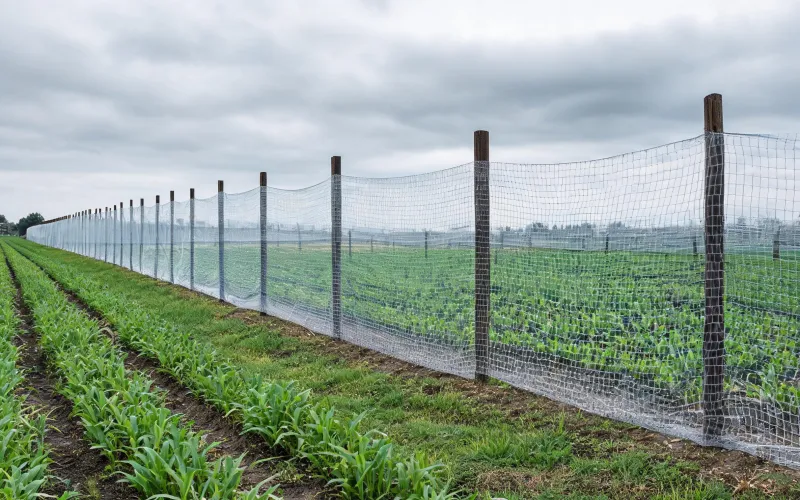
Agricultural fence line using plastic mesh

Agriculture and livestock

What the project actually demands: opening large enough for the stated use, roll width that matches the post spacing the buyer already chose, and a UV stabilizer / HALS package if the run is outdoors. Site condition that changes the requirement: continuous sun versus indoor stall use. Assumption to confirm in writing: colour equals UV protection — it does not.
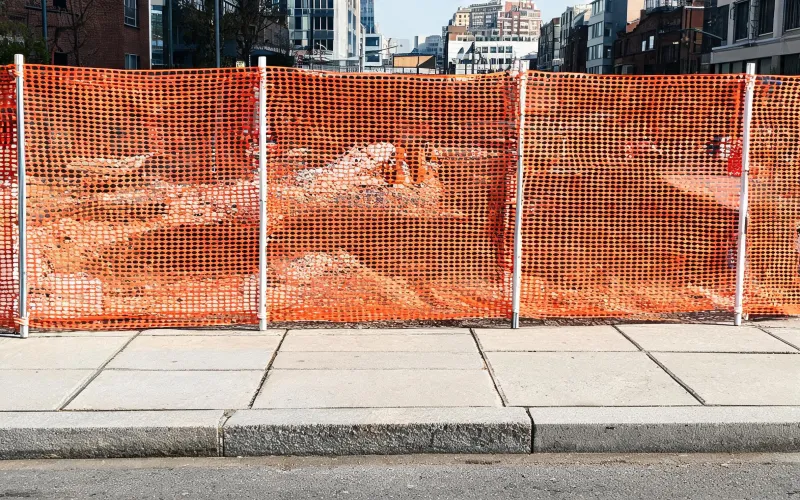
Construction site using plastic mesh barrier

Construction and temporary barrier

What the project actually demands: opening, colour if visibility is specified, and roll length per drop. Site condition that changes the requirement: wind-exposed street versus indoor demolition screen. Assumption to confirm in writing: a “fence mesh” catalogue name equals the opening on the drawing.

Industrial yard screening with plastic mesh

Industrial yards and OEM screens

What the project actually demands: strand size, opening, and density in g/cm³ if the buyer uses it to distinguish HDPE from another polyolefin. Site condition that changes the requirement: chemical splash or heat near a process line — those belong as medium and temperature questions, not as a promised resistance. Assumption to confirm in writing: leftover wording such as hdpe mesh fabric is the same SKU.

Opening size versus resin upgrade — a buyer trade-off

industry_config records commodity PE/PP versus engineering plastics as a cost-versus-service dispute. For plastic mesh fencing the same fork appears as “keep HDPE and change opening/UV” versus “move to a named engineering polymer.” Neither side is this desk’s recommendation; both stay unconfirmed until a factory writes the grade.

Two views a buyer still has to choose
Stay on commodity HDPE / PE Specify a different polymer
Density near 0.94 g/cm³ is an industry example for HDPE, not this desk’s published density. Opening and UV stabilizer / HALS usually move the quote more than a resin name. If the site names heat, splash or a food-contact file, the factory must name the polymer and the method. A “stronger mesh” sentence is not a grade.
Extrusion of PE mesh is the common route for fence and barrier rolls. Tooling talk belongs to the mill, not to this inquiry desk. Injection or another process is a different good. Do not treat a neighbouring catalogue as the same plastic mesh fencing line.
  • 3application families on this page
  • 2axes that usually move with the site: opening and UV
  • 0installation, repair or local fence-building services

Write the site condition next to the mesh line

Send opening size, UV need, quantity and destination. We will not convert a photo of a neighbour’s fence into a specification.

Review Specifications